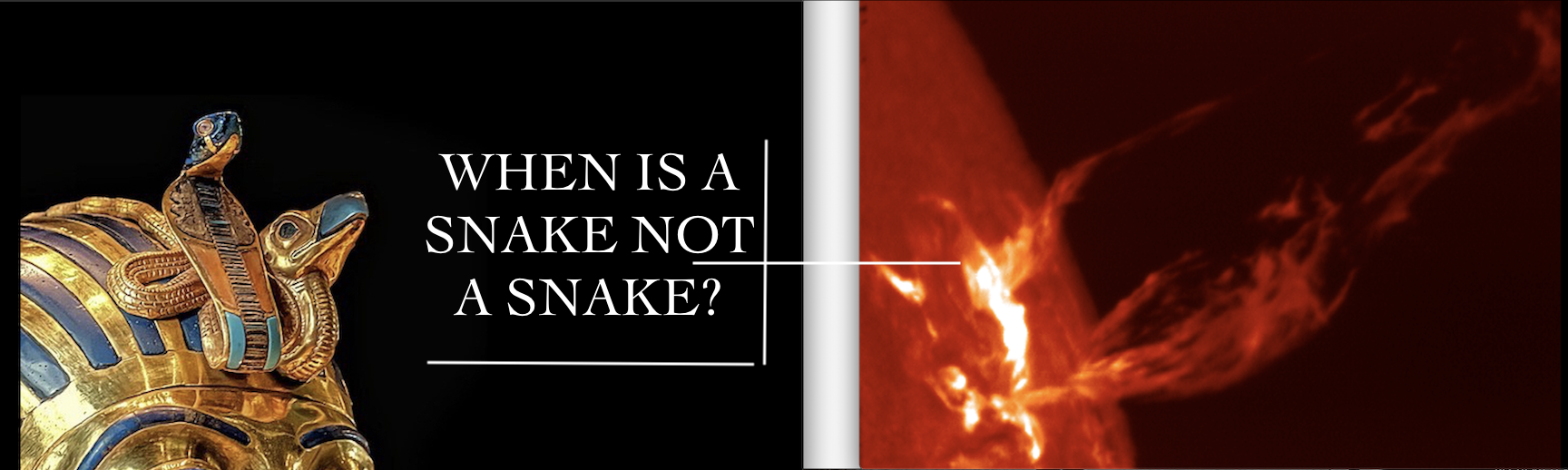
EGYPT’S SNAKE INSPIRED NUMEROUS OTHERS
THE BIRTH OF EGYPTIAN CURSIVE WRITING
The Ancient Egyptians used the hieroglyphs to create two separate forms of cursive language with sounds. In order to do this, the forms were simplified to resemble in large part, a letter of their newly created alphabet. As you can no doubt imagine, more than just a few details were lost in translation by this action. The first was hieratic script.
Jean-Francois Champollion, the linguist who deciphered the Rosetta Stone, knew that it was likely that his decipherment needed more work. Yet later as his work became the standard for translating Egyptian hieroglyphs, an assumption that all hieroglyphs could be translated correctly using only the stone, became the norm. No one it seemed, could see the very obvious metaphors that the Ancient Egyptians used so frequently. And if Egyptologists did notice those metaphors, they decided to ignore them.
This demonstrates an incredible lack of imagination. And by the way, the metaphors the Ancient Egyptians chose, all do an excellent jobs of explaining the intended story.
In many different cultures and belief systems all around the world, snakes hold a prominent place. Even in the Christian Bible. There snakes are both exalted, as in the case of the Nehustan, and reviled as in the snake of the Garden of Eden that caused Eve’s downfall.
Each of these snakes have same thing in common. And it doesn’t matter if they’re described as feathered serpents or dragons; or whether these ancient peoples were in the Americas, India, or some other Asian culture. Each was created from the same muse. That muse is the Uraeus, the snake in Ancient Egypt’s story of the snake.
As the story behind the Uraeus was transported to different parts of the ancient world through the Exodus, ( the historical one not the redacted Biblical version) trade and conquest.
There is a specific group of Ancient Egyptian deities, that are central to understanding the story. Because they are the ones that have been specifically encoded with the metaphors that explain and record the snake’s story. It is through this group that you’ll be able to see the progression to a very clear and understandable connected narrative..
Yes it is quite a wild story and as you read its unfolding, and watch the videos, I guarantee that you’ll be repeatedly saying to yourself “No way!.” Because thats exactly what I found myself saying as the story unfolded for me. Even though I was the one putting the pieces together:
I kept asking, “how could the Ancient Egyptians possibly have had any idea of the knowledge they seem to have recorded?” So what exactly is this template?.
The story of the snake begins with the Uraeus (as explained on the home page, and is told along with hieroglyphs, the following deities. The Goddess Maat, the God Heh and all 4 pairs of frog-headed and snake-headed gods of the Ogdoad. Apophis and Set, the gods of chaos, Horus, the main sky deity, Sobek the crocodile God, and Ammit The devourer, who eats souls at the weighing of the heart ceremony.
The snake’s story also draws in Atum, the Sphinx and the Great Pyramid itself. There are other incidentals such as the 4 sons of Horus, known mostly as the heads on Canopic burial Jars. And even two small and seemingly insignificant little frogs.
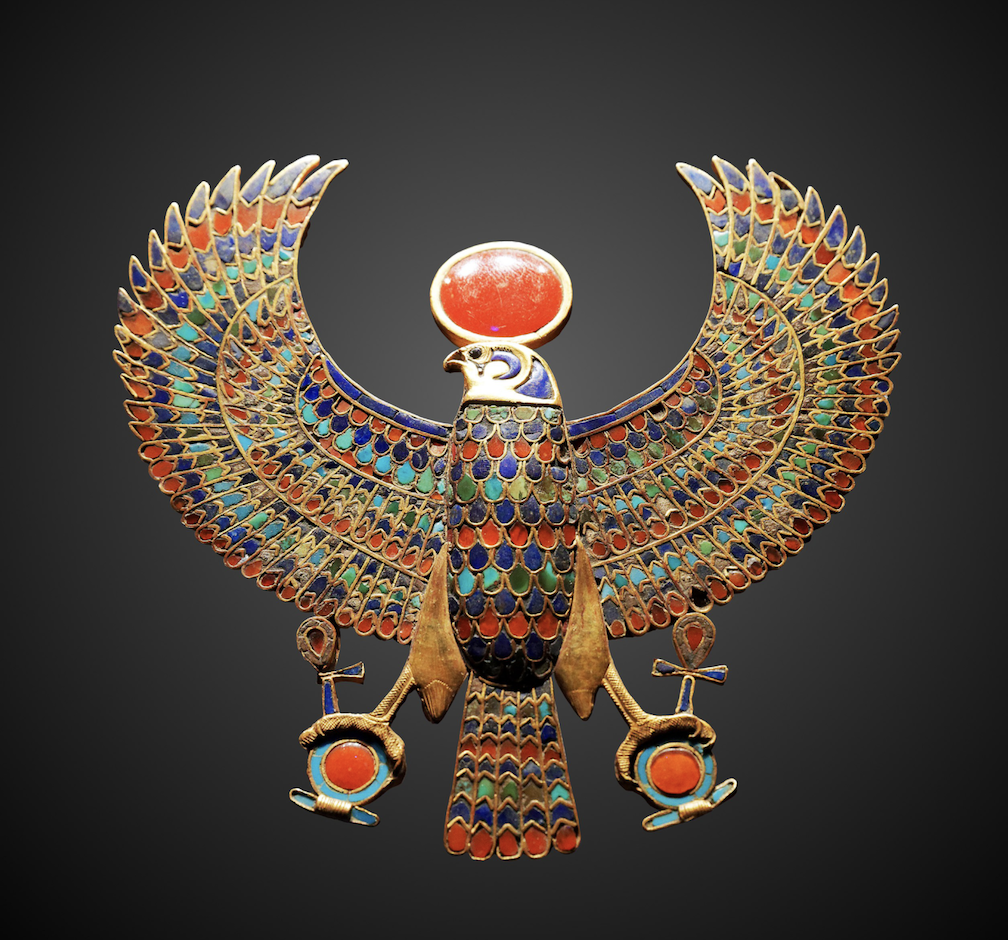
THE TEMPLATE EXPLAINED
The template guided the selection of the symbols of the hieroglyphs, whether animals, insects, birds, abstract forms and human body parts.
The template used physical appearance, function, behavior traits and characteristics, such as physiology, flight, movement and even gave meaning to abstract forms, in order to tell the details that was being recorded.
Each symbol had to be useful for some part or detail of the story.
Essentially the Egyptians were using analogies and metaphors.
Which is interesting considering that modern humans discount anything that the Egyptians did not spell out in details and in plain language to make it easier for us to understand them.
egyptology and humans as whole, have failed to look at Ancient Egypt’s records outside of the hieroglyphs
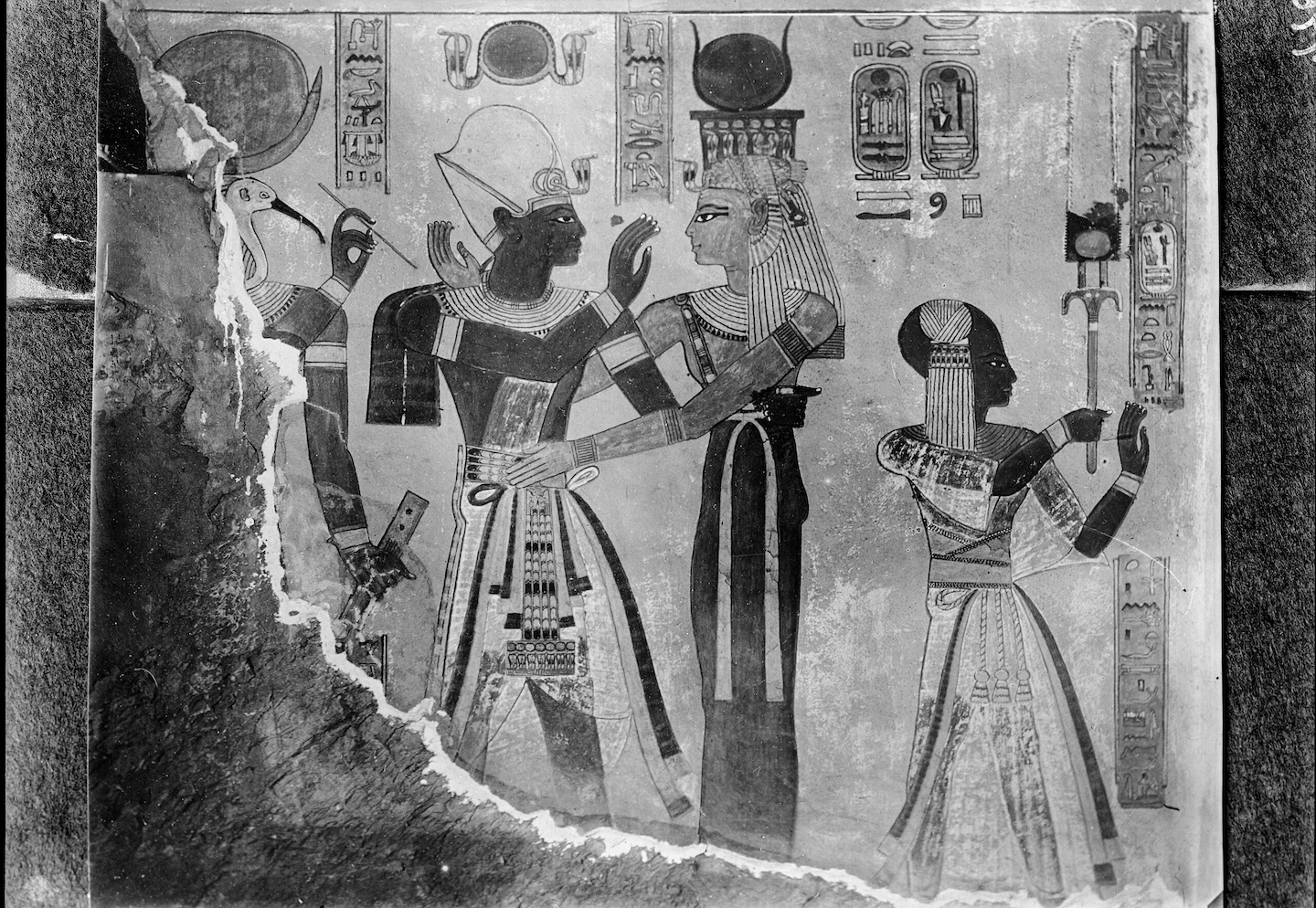
In deciphering any hieroglyphic text, using the Rosetta Stone’ decipherment, context always needs to be taken into account. Thats because those hieroglyphs could potentially have more than one meaning. However when that same symbol was used in the story of the snake, its meaning was fixed and explainable only by its own original encryption method
Abstract symbols such as for example something called the Egyptian Shen Ring, were created for a specific purpose and then given that specific meaning . The template was simple, ingenious and effective. It was one that is easily understood by anyone who knows or realizes that a template was being used, and that it was metaphoric.
Egyptologists know that the Ancient Egyptians did use a template to construct the hieroglyphs. Unfortunately either they deliberately ignored the metaphors hidden in plain sight, or they’ve failed to see the obvious
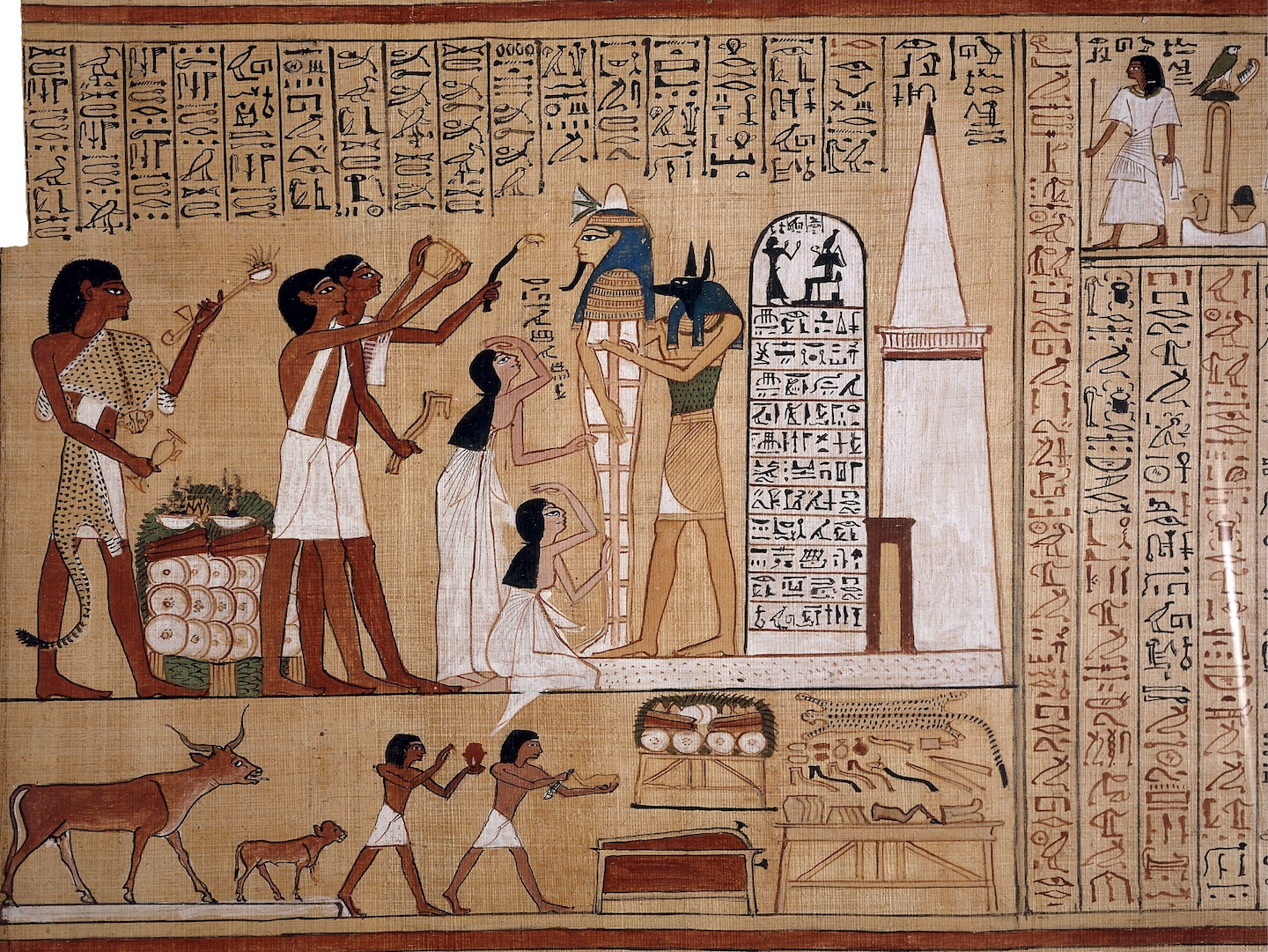
The symbols in the snake’s story were never intended to be phonetic. They were largely metaphors, with meanings that were far more elaborate and complex than one single word or letter of the alphabet. In contrast to the cursive scripts and even those hieroglyphs that were included on the Rosetta Stone. They were intended to be phonetic
There are obvious reasons explain why Egyptologists were never going to find the snake’s story. Because once the stone’s decipherment became the standard for decoding the hieroglyphs, the belief was that This despite the fact that Champollion himself expressed some doubts about the completeness of his own decipherment.
In order to see exactly how the template worked, CLICK HERE to watch the video about the Goddess Maat. The video explains the metaphor behind Maat to show her real meaning and how she, and her ‘feather of truth’ fit into the story of the snake. The video also gives more in depth explanations about Egypt’s Story of the snake